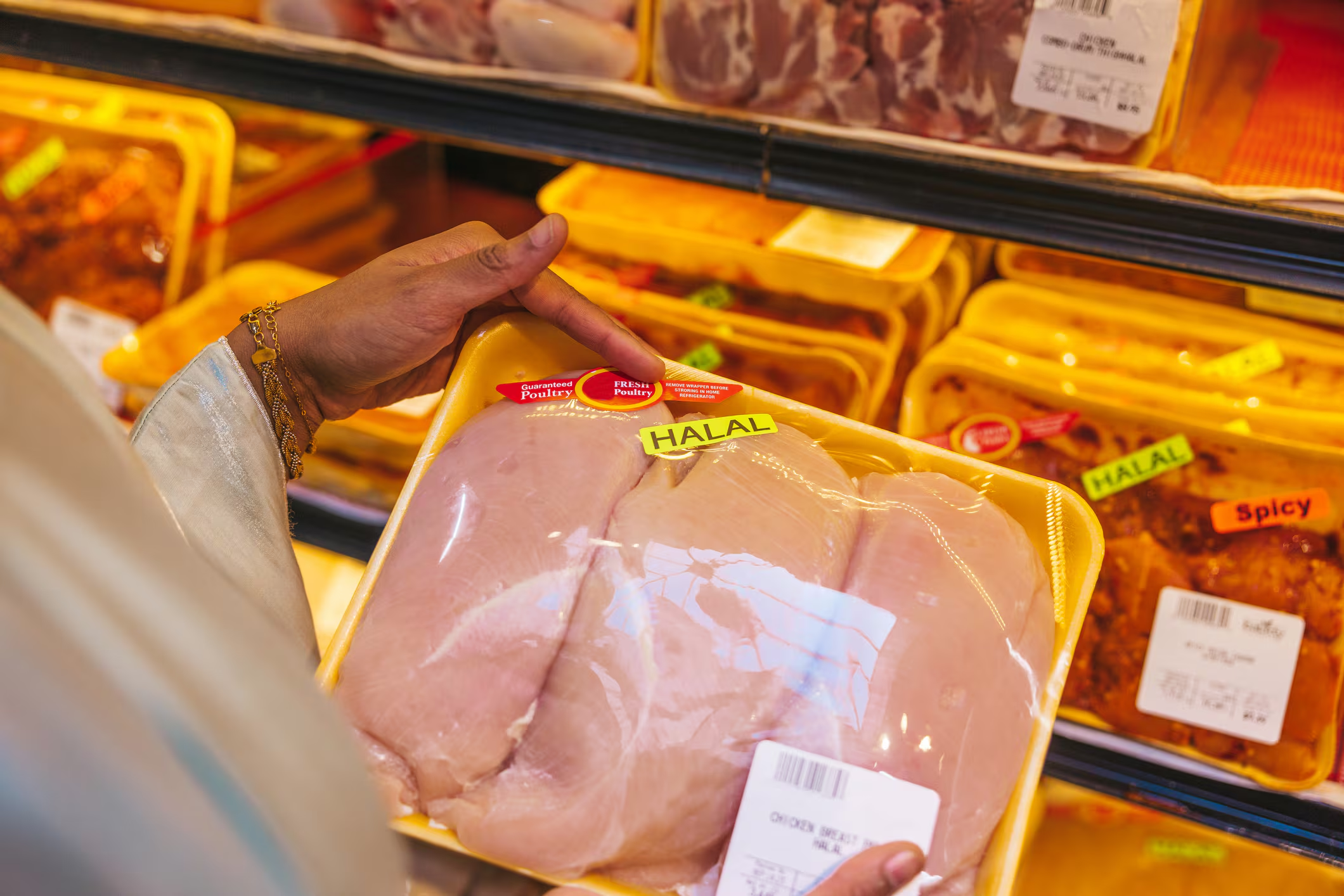
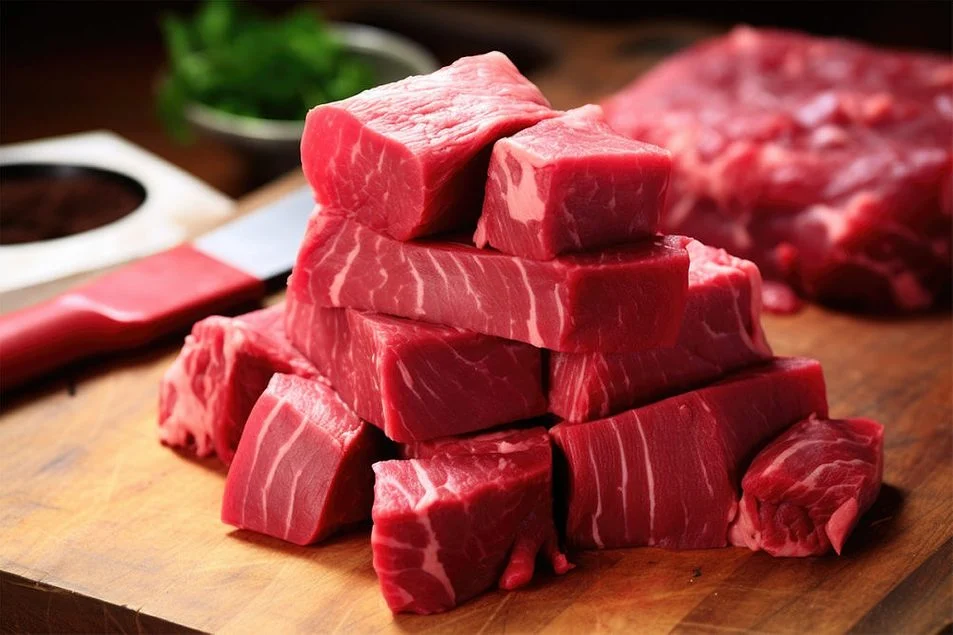
Choosing the right type of meat can significantly impact your health, ethics, and dietary preferences. While meat is a common part of many diets, not all meat is prepared or handled the same way. Halal meat and regular meat differ in how animals are raised, slaughtered, and processed, which can affect taste, nutritional value, and overall quality.
Halal meat follows Islamic law (Dhabiha method), a prayer is said, the throat is quickly cut, and blood fully drained to avoid contamination. Regular meat uses standard industrial methods, which may not focus on humane treatment, while Halal emphasizes animal welfare and cleanliness, giving a fresher taste and texture.
Being aware of these differences is important not just for those following religious dietary laws, but also for anyone who values ethically sourced, high-quality food. From the farm to your plate, the way meat is produced influences both its safety and its flavor.
By understanding these distinctions, you can make choices that align with your personal health goals, ethical beliefs, and culinary preferences.
What is Halal Meat?
Halal meat comes from animals that are slaughtered according to Islamic dietary laws. “Halal” is an Arabic term meaning “permissible,” and it governs what food is allowed for consumption. The process emphasizes cleanliness, humane treatment of animals, and careful handling to ensure the meat meets religious standards.
Key Features of Halal Meat:
- Animals are slaughtered by a trained person using a swift, humane cut to the throat.
- Blood is completely drained from the animal to ensure cleanliness.
- The name of God (Allah) is invoked during the slaughtering process.
- Forbidden animals such as pigs and non-permissible substances are strictly avoided.
Halal meat is not only a religious requirement for Muslims but also valued by many for its ethical and hygienic considerations.
What is Regular Meat?
Regular meat, also known as conventional or non-Halal meat, refers to meat produced without specific religious guidelines. It is subject to general food safety regulations, but the method of slaughtering may vary and is not ritual-specific.
Key Features of Regular Meat:
- Animals may be stunned before slaughter, a common practice in many conventional meat industries.
- Slaughtering does not require any religious invocation.
- Can come from various sources depending on local regulations.
While regular meat is widely available and commonly consumed, it may lack some of the ethical and ritual aspects emphasized in Halal meat production.
Key Differences Between Halal and Regular Meat
Halal and regular meat may look similar on your plate, but they differ in how animals are raised, slaughtered, and processed. These distinctions impact hygiene, ethics, and overall quality. Let’s do a quick comparison:
| Feature |
Halal Meat |
Regular Meat |
| Slaughter Method |
Performed according to Islamic law |
Conventional methods; may include stunning |
| Ethical Treatment |
High emphasis on humane treatment |
Varies; may or may not focus on ethics |
| Blood Drainage |
Fully drained |
May or may not be fully drained |
| Religious Compliance |
Mandatory |
Not applicable |
| Source Restrictions |
Forbidden animals (like pork) excluded |
Depends on region and regulations |
These differences highlight not only the religious aspect of Halal meat but also ethical, hygienic, and handling considerations that may affect taste and quality.
Health Considerations
When it comes to health, the differences between Halal meat and regular meat can be notable:
- Cleanliness: Halal meat is drained of blood during slaughter, which may reduce the risk of bacteria and improve hygiene.
- Antibiotics and Hormones: Many Halal producers prioritize natural farming practices and limit the use of growth hormones and antibiotics, whereas conventional meat may include more chemical treatments.
- Nutritional Content: Some studies suggest Halal meat can have slightly higher levels of protein and lower fat content due to the method of slaughter and handling.
- Digestibility: Proper blood drainage and humane slaughtering may make Halal meat easier to digest for some people.
- Reduced Contamination Risks: Ethical and controlled handling during Halal processing can reduce exposure to contaminants like harmful bacteria, making it a safer choice.
Overall, the health benefits depend not just on whether meat is Halal or not but also on how the animals are raised, their diet, and the hygiene standards during processing.
Why Choose Halal Meat?
Choosing Halal meat goes beyond religious compliance. It provides multiple benefits for consumers:
- Ethical Treatment of Animals: Halal practices ensure animals are treated humanely before and during slaughter.
- Adherence to Dietary Preferences: Suitable for those following Islamic dietary laws or those looking for cleaner meat options.
- Perceived Cleaner and Healthier Option: Fully drained blood and controlled handling improve hygiene and meat quality.
- Enhanced Taste and Freshness: Many people find Halal meat fresher and more tender due to its careful processing.
Choosing Halal meat ensures you are consuming ethically sourced, hygienic, and high-quality meat. It is a choice that combines health, taste, and responsibility in every meal.
Conclusion
Understanding the differences between Halal meat and regular meat allows you to make informed choices based on health, ethics, and personal or religious preferences. Halal meat offers a cleaner, more humane, and carefully processed alternative, while regular meat follows conventional standards. By knowing what goes into your food, you can ensure your diet aligns with your values and promotes overall well-being.
Prime Nation Foods is a Halal meat supplier Canada, we provide premium Halal meat and foods delivered directly to your door. As one of the leading Halal meat and food suppliers in Canada, we serve families, restaurants, and retailers with fresh Halal beef, chicken, appetizers, and essentials across the country.
If you’re searching for high-quality, consistent, and ethically prepared Halal meat, Prime Nation Foods makes sourcing reliable, certified products easy and convenient.
FAQs
Q1: Is Halal meat healthier than regular meat?
Halal meat can be a healthier option because it is carefully processed, fully drained of blood, and sourced from ethically raised animals. However, overall health benefits also depend on farming practices, animal diet, and meat freshness.
Q2: Can I eat Halal meat if I’m not Muslim?
Yes, Halal meat is suitable for everyone. People of all faiths can enjoy fresh, ethically prepared Halal beef, chicken, and other meats.
Q3: Is Halal meat more expensive than regular meat?
Halal meat may cost slightly more due to the specific Dhabiha slaughter process and quality checks. Despite this, the difference is reasonable considering the premium quality and ethical standards.
Q4: Are there any taste differences between Halal and regular meat?
Many consumers find Halal meat fresher, more tender, and better tasting due to proper blood drainage, humane slaughtering, and careful handling during processing.